
AI: Internal Workflow Automation
The fourth in a series of blog posts analyzing how artificial intelligence is impacting property assessments.


The fourth in a series of blog posts analyzing how artificial intelligence is impacting property assessments.
The third in a series of blog posts analyzing how artificial intelligence is impacting property assessments.
The second in a series of blogs analyzing how artificial intelligence is impacting property assessments.
The first in a series of blog posts analyzing how artificial intelligence supports the work of assessors.

For many towns across New York State, property owners recently received their school tax bills. If your school taxes increased – remember that decision was made by your local school board not your assessor.

So, your municipality is considering a reassessment project, and your first reaction is, “Hell no!” Most people equate reassessment projects with increases in taxes. That is further from the truth.

After many years of working with property owners one common reaction to an increase in a property assessment is, “I am not interested in selling my property, why should I care what the market value is” or “ Isn’t market value determined when the property sells?”

Why is it important to check your property inventory data with your local real property assessment office? Real Property Assessment officials and staff routinely update property inventory records.

I am often asked why some communities reassess properties on a regular basis and others do not. Besides the typical answers of budgetary issues, fear of political backlash, and, “Well, no one is complaining,” other responses include, the town board or city council members will not support it: “I am running for re-election. There is no way I am brining this up.”
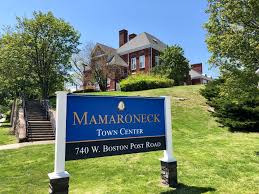
The Town of Mamaroneck, N.Y. (Westchester. County) conducted its first town wide reassessment project in 2013. The equalization rate prior to the reassessment was 1.74%. This means a house worth $1,000,000 was assessed at approximately $17,400.

Some states have laws mandating reassessment on a routine basis, either annually or cyclically (3-5 years). New York State does not have a law in
Discover the top 5 Myths most commonly associated with reassessment projects.